How-to guide
How to preserve family stories
Family stories don't disappear all at once. They disappear when no one saves them. This is a practical, no-nonsense guide to capturing the people you love — their voice, their memories, the throwaway anecdotes — and turning them into something your family will actually keep. Start with what you already remember. One person's honest memories are enough; other voices can make it richer, but they are never required.
1. Start before you feel ready
The single biggest mistake is waiting for the right moment. There is no right moment. Pick one person, pick a Sunday afternoon, and start. The first conversation will be awkward. The second won't be.
2. Record the voice, not just the words
A transcript is useful. A voice is irreplaceable. Use a phone, a dedicated recorder, or a video call with recording enabled. Specific tools that work well:
- Voice Memos (iPhone) or Recorder (Pixel) — simple, reliable, free
- Zoom or Google Meet with cloud recording — great for relatives in other cities
- A simple lapel mic ($20) clipped to their shirt makes any phone sound professional
3. Ask questions that open doors
Bad questions get yes/no answers. Good ones get stories. Some openers that almost always work:
- Walk me through a typical day when you were 16.
- Tell me about the smell of your childhood home.
- What's a story about my [parent] you've never told me?
- What's the first thing you remember being truly afraid of?
4. Capture the artifacts, not just the audio
Stories live in objects. While you're with them, photograph:
- Old photographs (use your phone camera in good natural light, or a free scanner app like PhotoScan)
- Letters, postcards, recipe cards in their handwriting
- Awards, military papers, immigration documents
- The objects they instinctively touch when they talk — a watch, a tool, a book
5. Organize it where your family will actually find it
A folder on your laptop is not preservation. It's a time bomb. Stories need to live somewhere durable, searchable, and shareable across generations. That's the entire reason Preserve exists — a single home for the memories, photos, voice notes, and words you already have about the people who shaped you — written in your own voice, with room for others to add theirs if you want them to.
6. Add other voices if you want them
What you make is complete with one person's memory. If you want a fuller picture, invite people who knew them in different seasons — an aunt, an old colleague, a neighbor, a childhood friend. Their stories will add dimension, not obligation. The richest archives are often collaborative, but collaboration is always optional.
7. Do it now, in small pieces
You don't need a weekend. You need fifteen minutes. Ask one question this Sunday. Record the answer. Save it somewhere safe. Then do it again next week. That's the whole method.

Camilamy twin sister 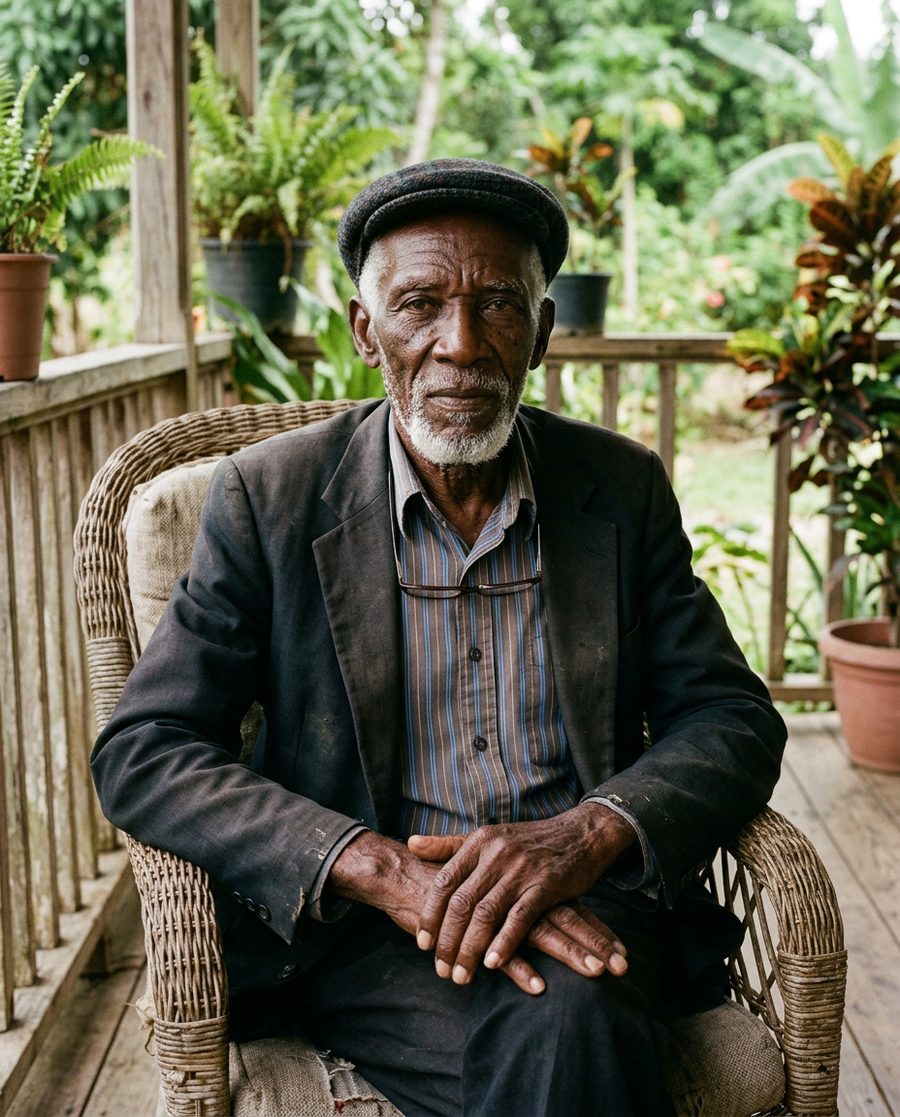
Errolmy dad 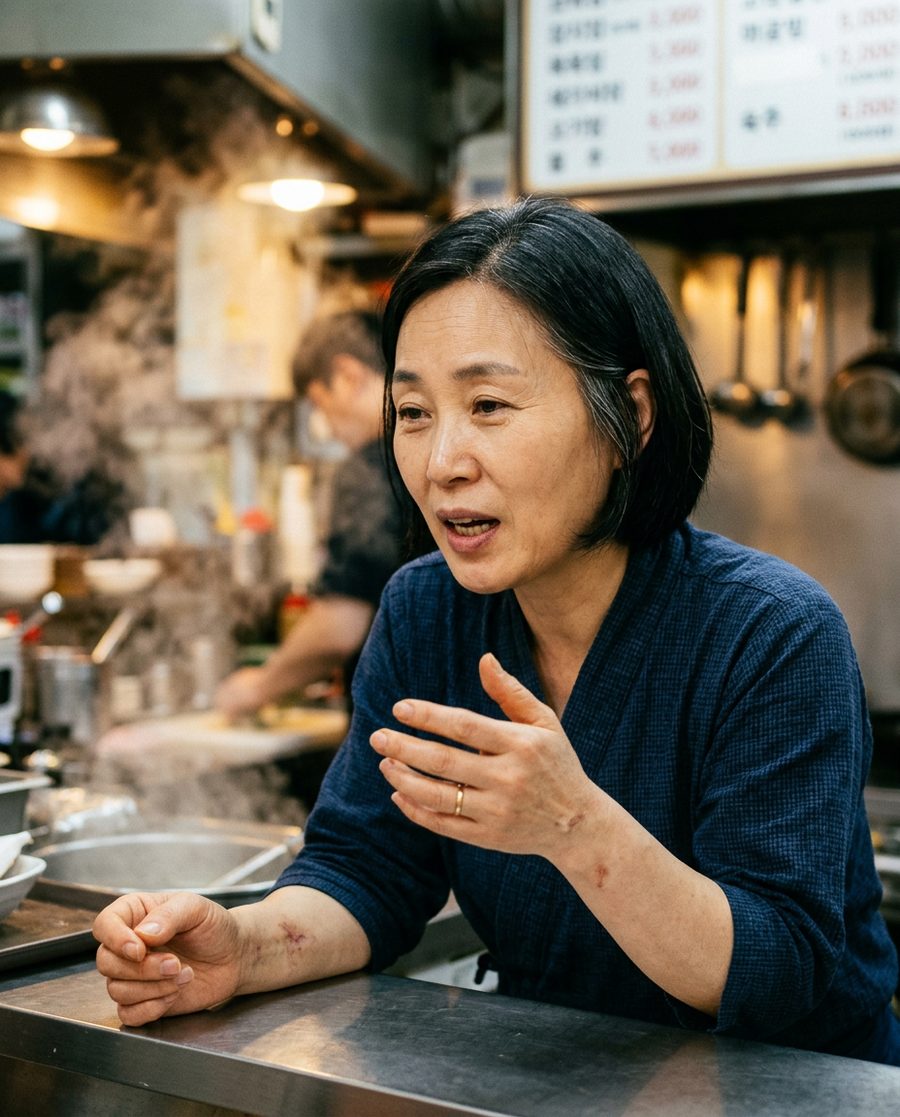
Sun-heemy mom 
Vikmy chemistry teacher 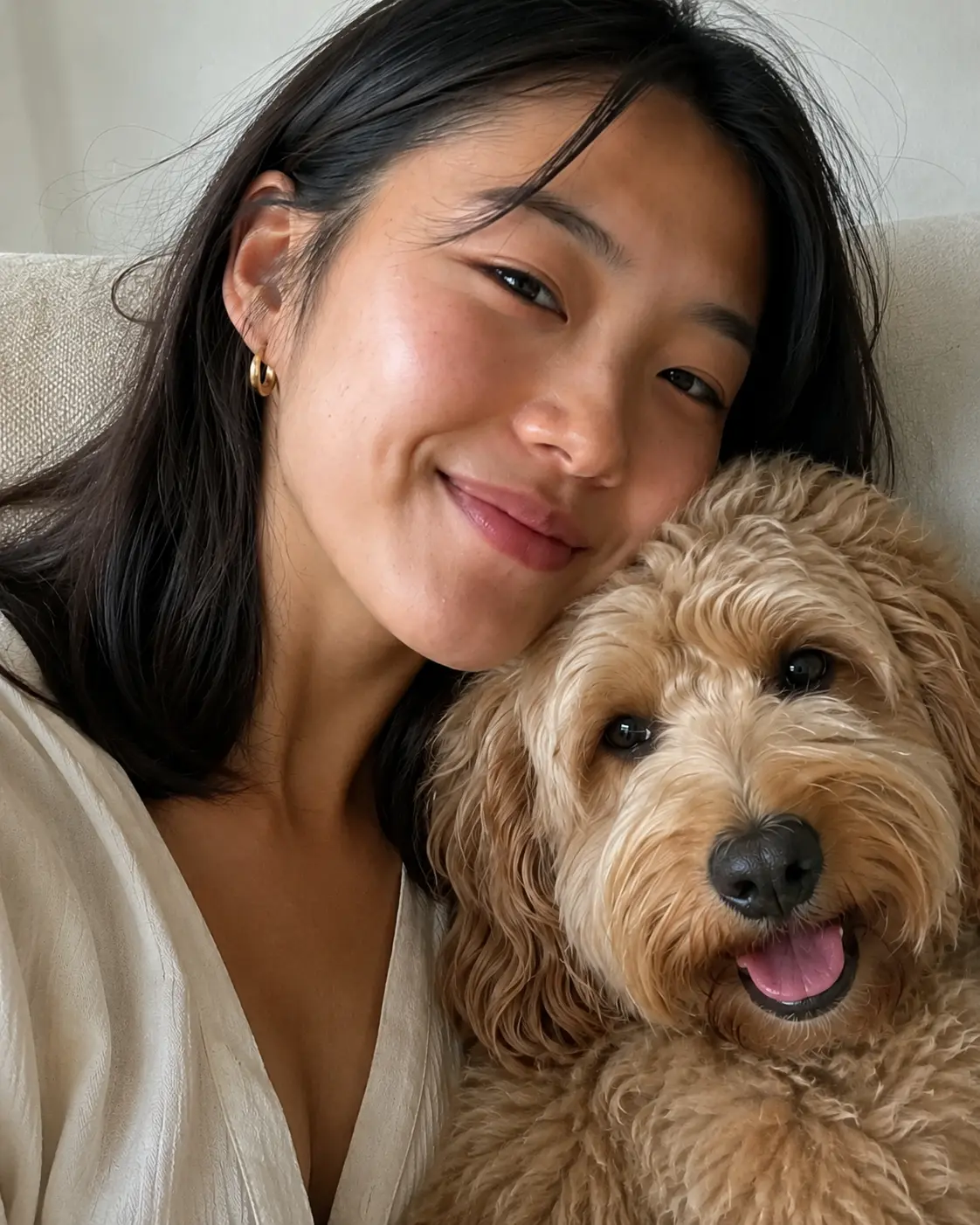
XinyiGirlfriend 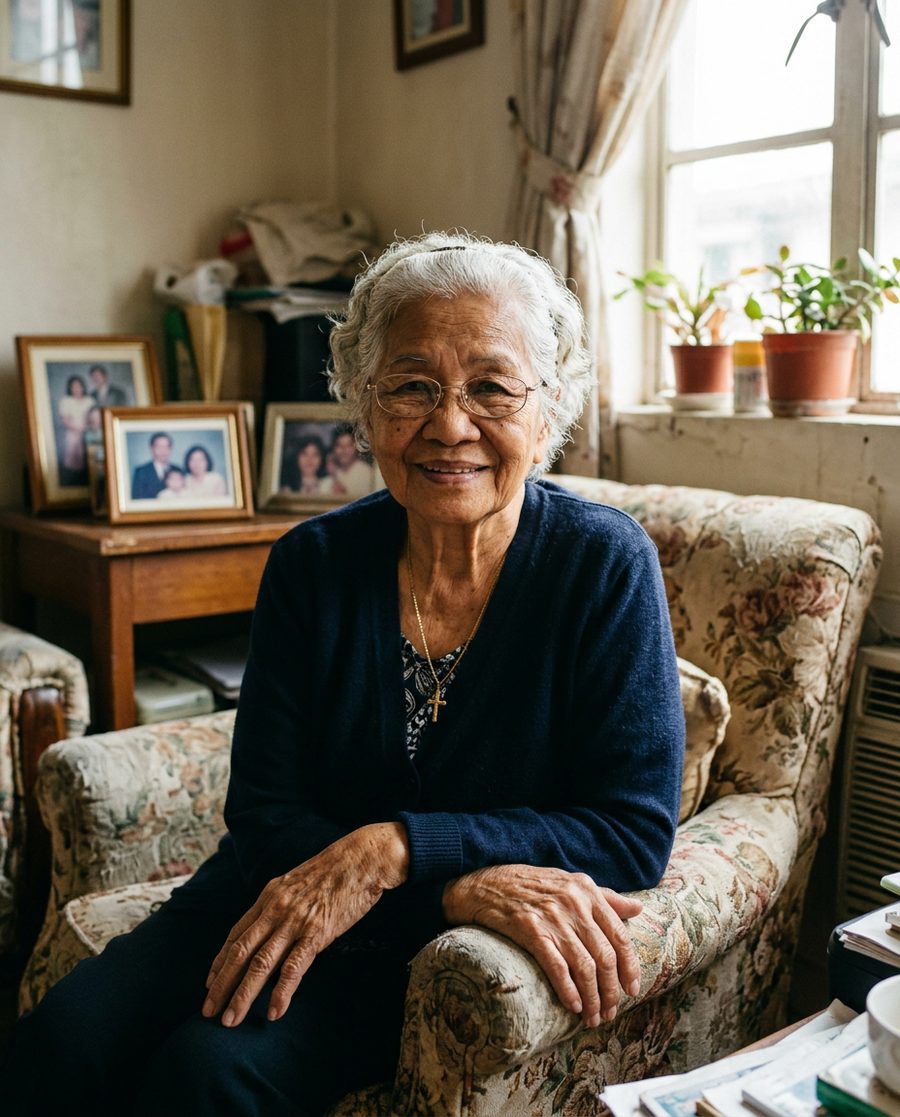
Lolamy grandmother 
Wenmy husband 
Margiemy mom 
Raymy dad
Don't just read about it. Start.
Preserve helps you collect the stories, voice, and lessons of the people who shape your life — whether they're still with you or not.
Preserve someone you love →