 Preserve
Legacy
A legacy isn't a résumé. It's what people carry forward.
Nobody remembers a job title. What survives is what people do differently because of someone — the habit they picked up, the standard they hold, the sentence they still hear in that person's voice. That's the material a legacy is made of, and it lives in the people they shaped.
Ask one question, not ten
The mistake is sending people a questionnaire. Ask everyone the same single question and you get a legacy with a spine — the same person seen from six angles. Pick one of these and use it for all of them:
- "What do you do differently because of them?"
- "What's the moment you'd want their grandchildren to know about?"
- "What did they say to you that you've never forgotten?"
- "When did they do something for you that nobody asked them to do?"
- "What would they have refused to do, even if it cost them?"
Moments worth capturing
- A decision they made that cost them something.
- A standard they held when nobody was checking.
- The thing they always said, in their exact words.
- A time they gave someone a chance no one else would have given.
- What they were like when the work was going badly.
- A small daily habit that turned out to be the whole philosophy.
If you'd rather ask them directly
Most life-story projects stall because they start too big — nobody finishes the 300-page memoir. Think in moments, not chapters. If you can ask the person themselves, don't sit across a table: sit beside them, drive somewhere, cook together, start with an object like a photo or an old letter, and ask the follow-up twice before moving on. A handful of answers is plenty:
- The decision that changed the direction of their life.
- The first time they felt like an adult.
- Their hardest year, and what got them through it.
- Something they believed at 25 that they don't anymore.
- What they hope someone says about them one day.
Who to ask
A legacy isn't only a family matter. Start with what you carry from the relationship — that alone makes a complete record. If you want it wider, go to the people whose direction actually changed: a mentee, a former student, a colleague, someone from the community they served. Keep it to a handful. Six specific moments read better than thirty polite ones.
Don't try to write the biography
You don't have to be a writer. Gather real moments — words, a photograph, a short recording — and let the result be what someone stood for, told by the people who lived it with them.
The easiest way to begin
Answer your own question first, before you ask anyone else. One moment, four lines. Everything else is easier once the first honest answer is in.

Camilamy twin sister 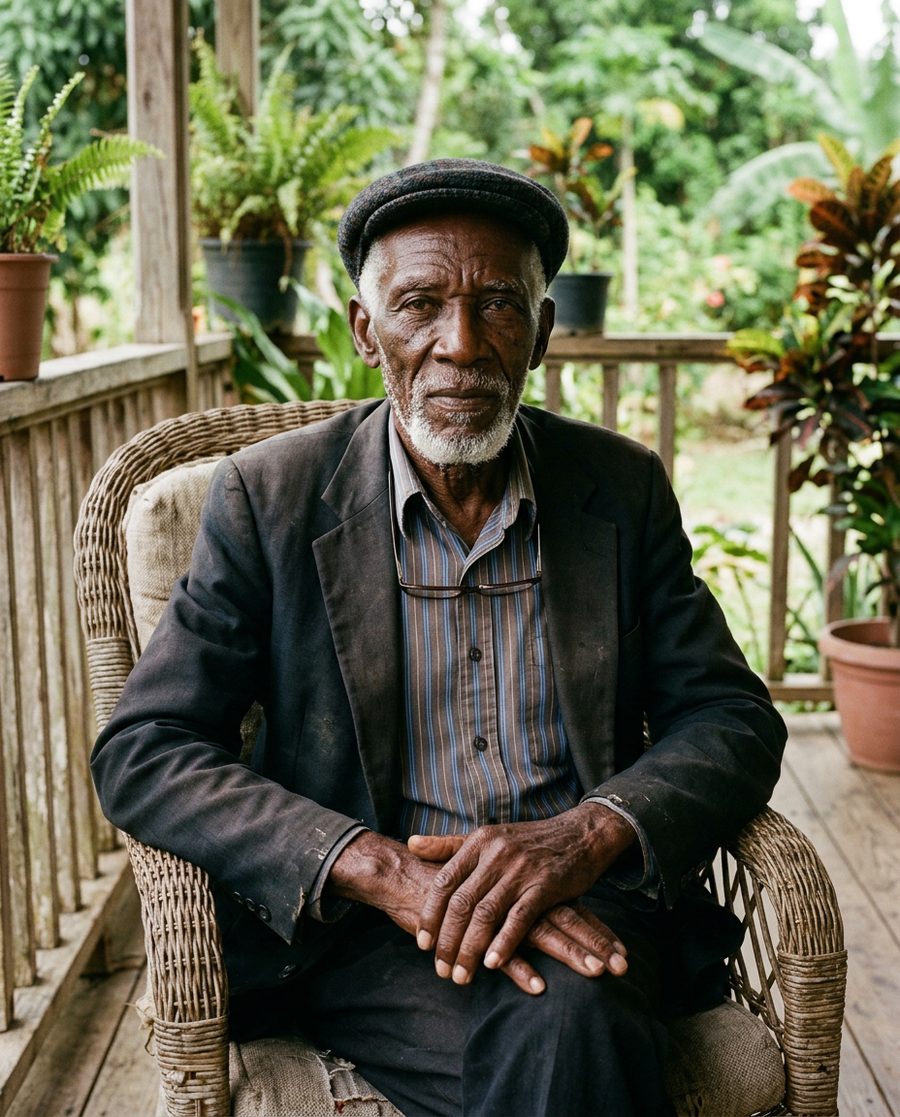
Errolmy dad 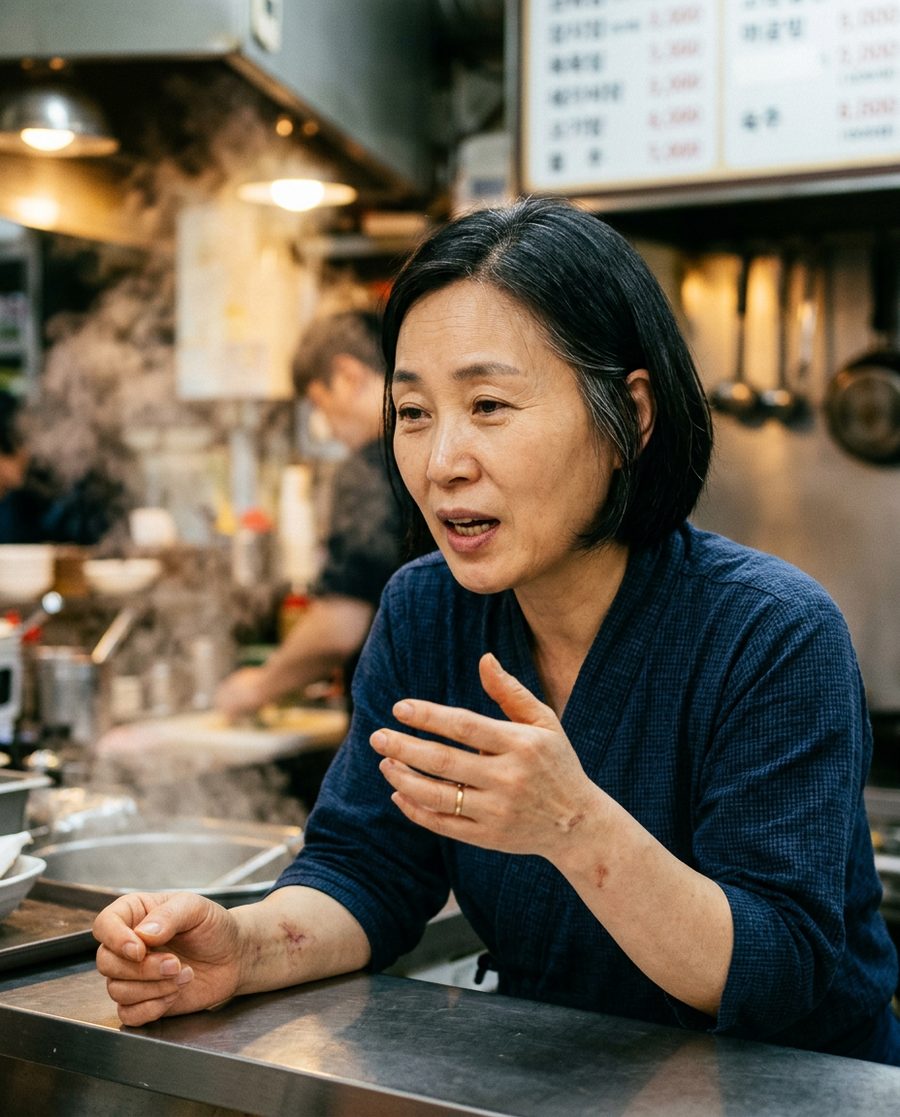
Sun-heemy mom 
Niamy partner 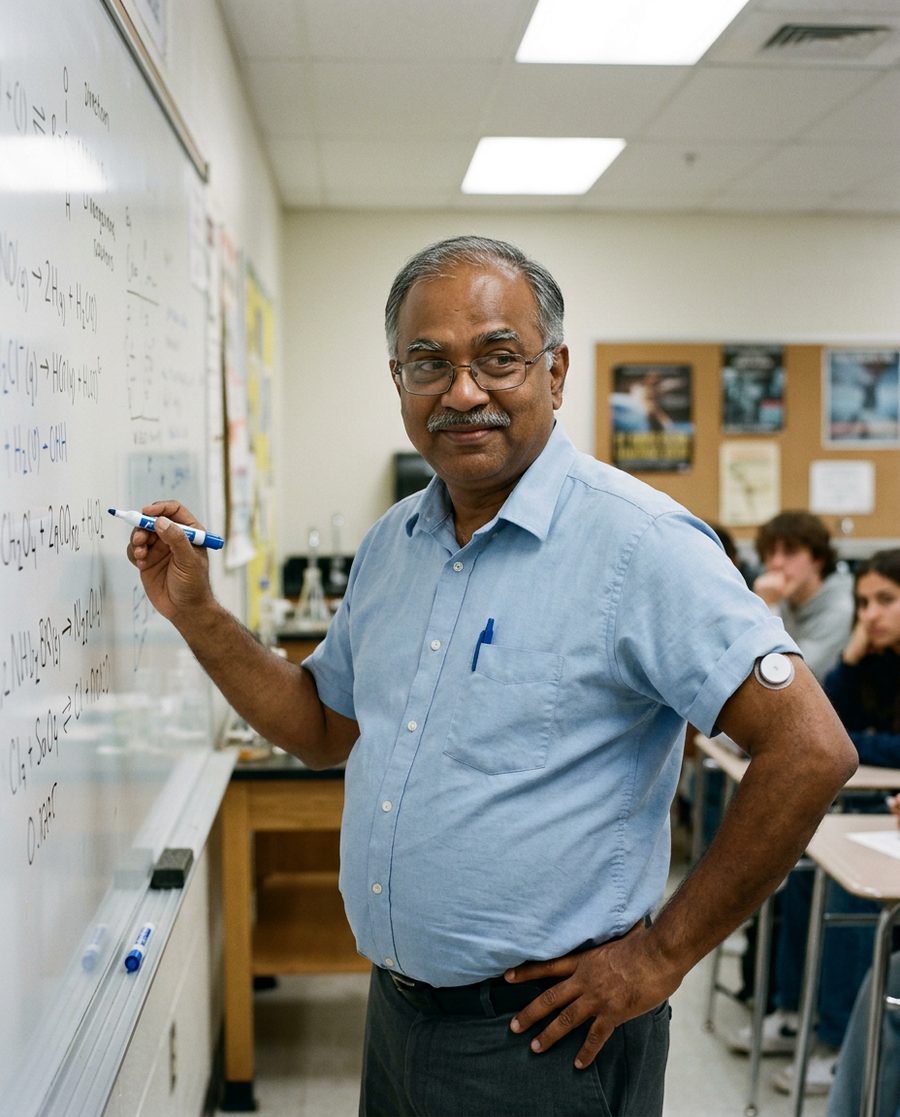
Vikmy chemistry teacher 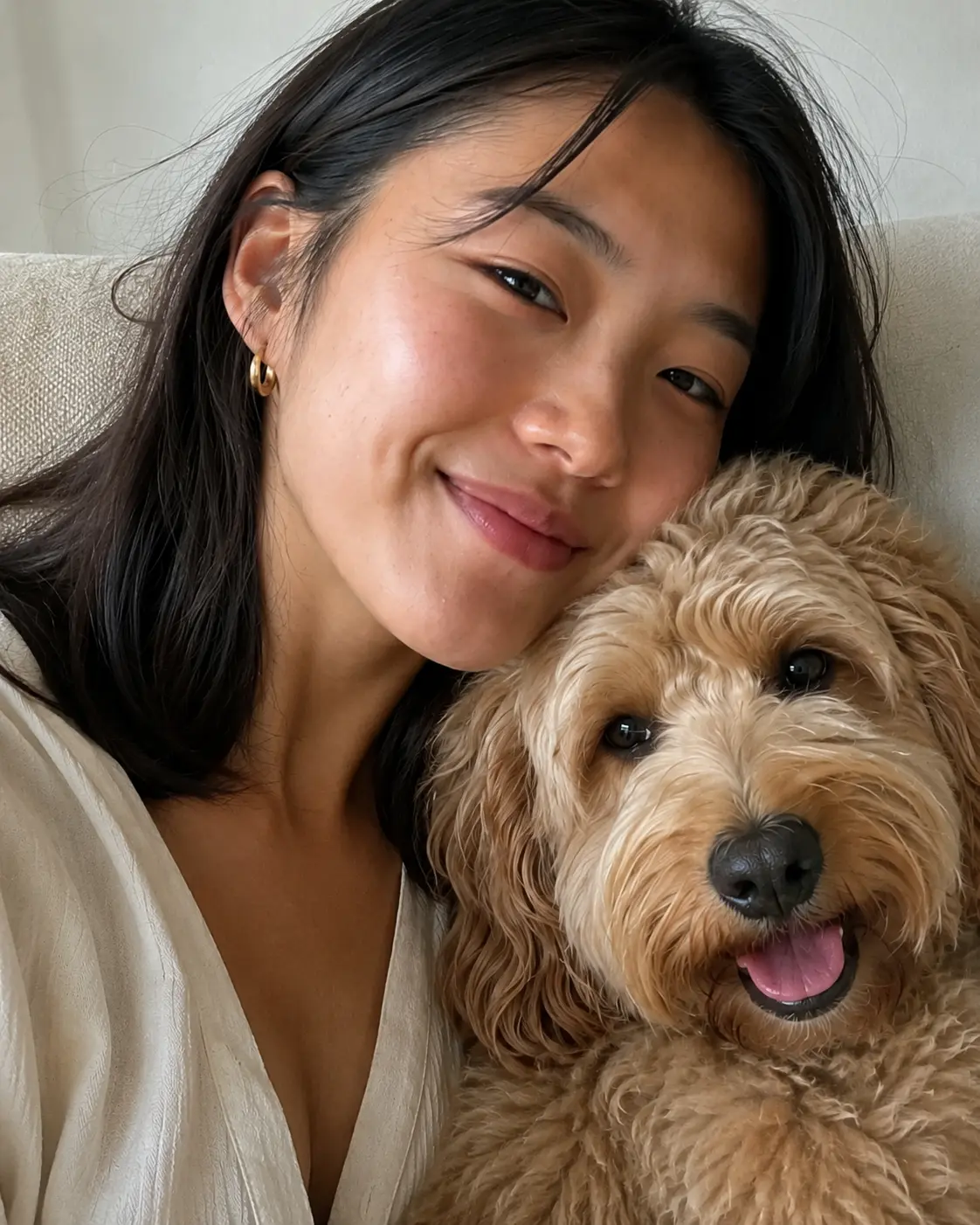
MochiMy Fur Baby 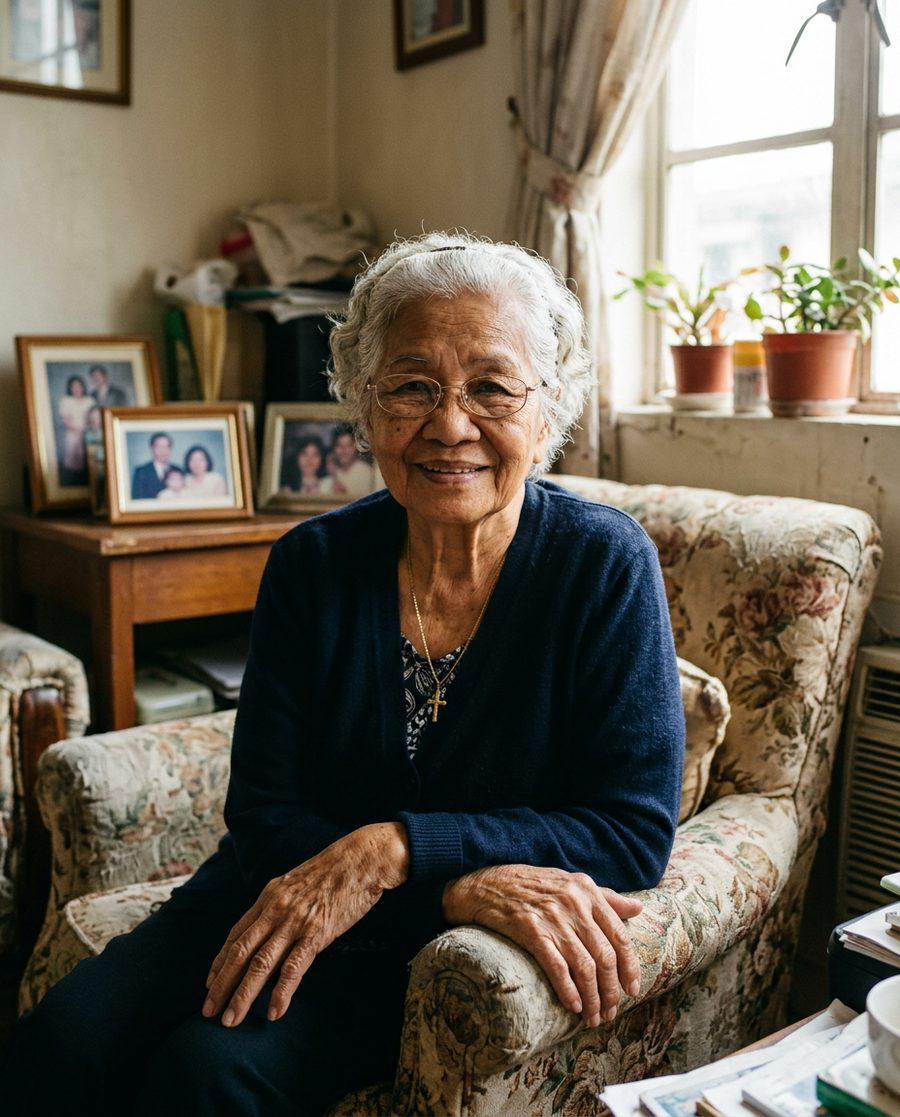
Lolamy grandmother 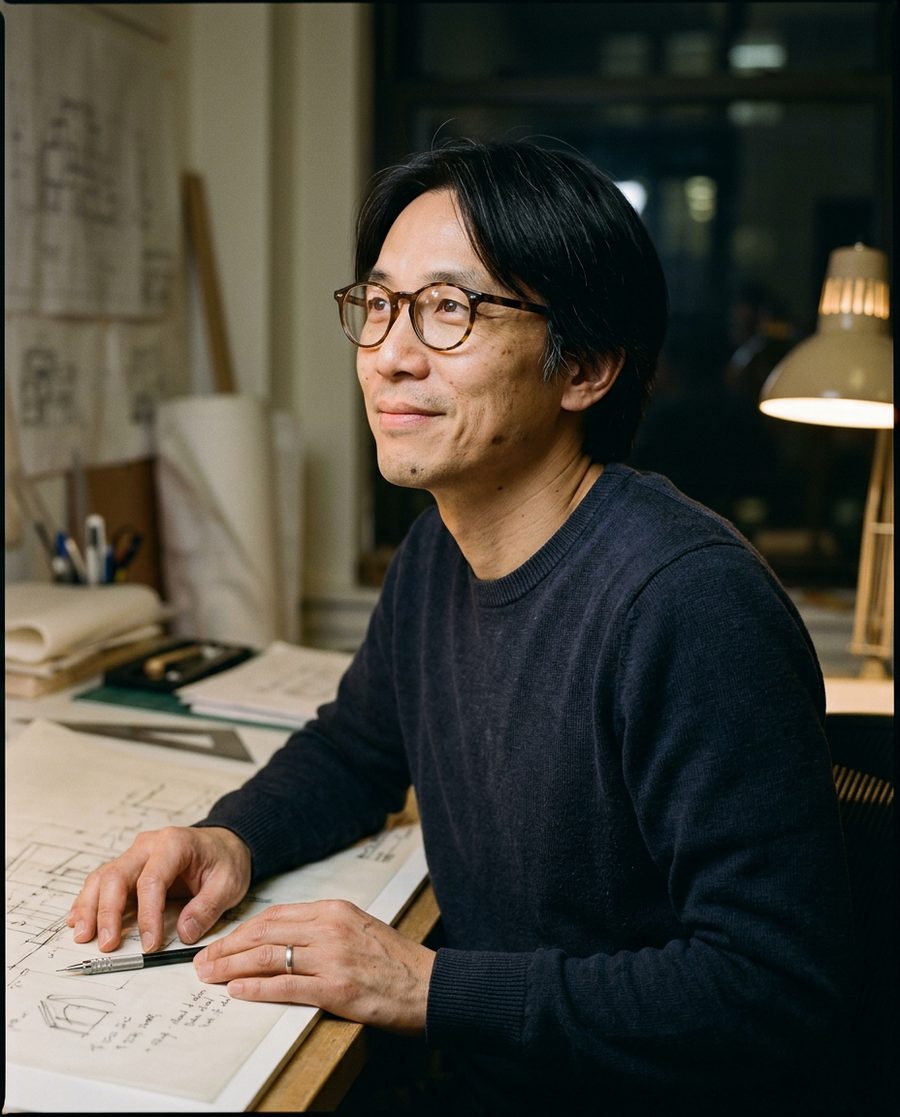
Wenmy friend 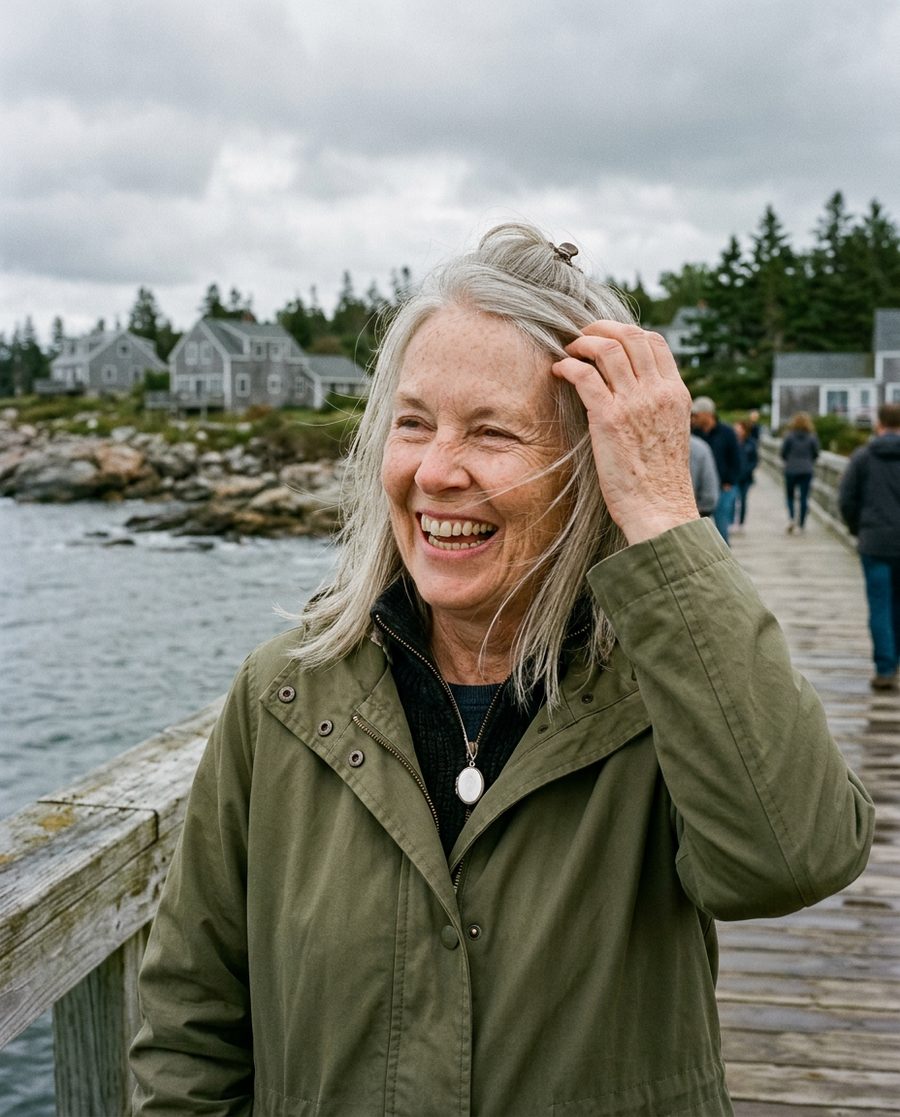
Margiemy mom 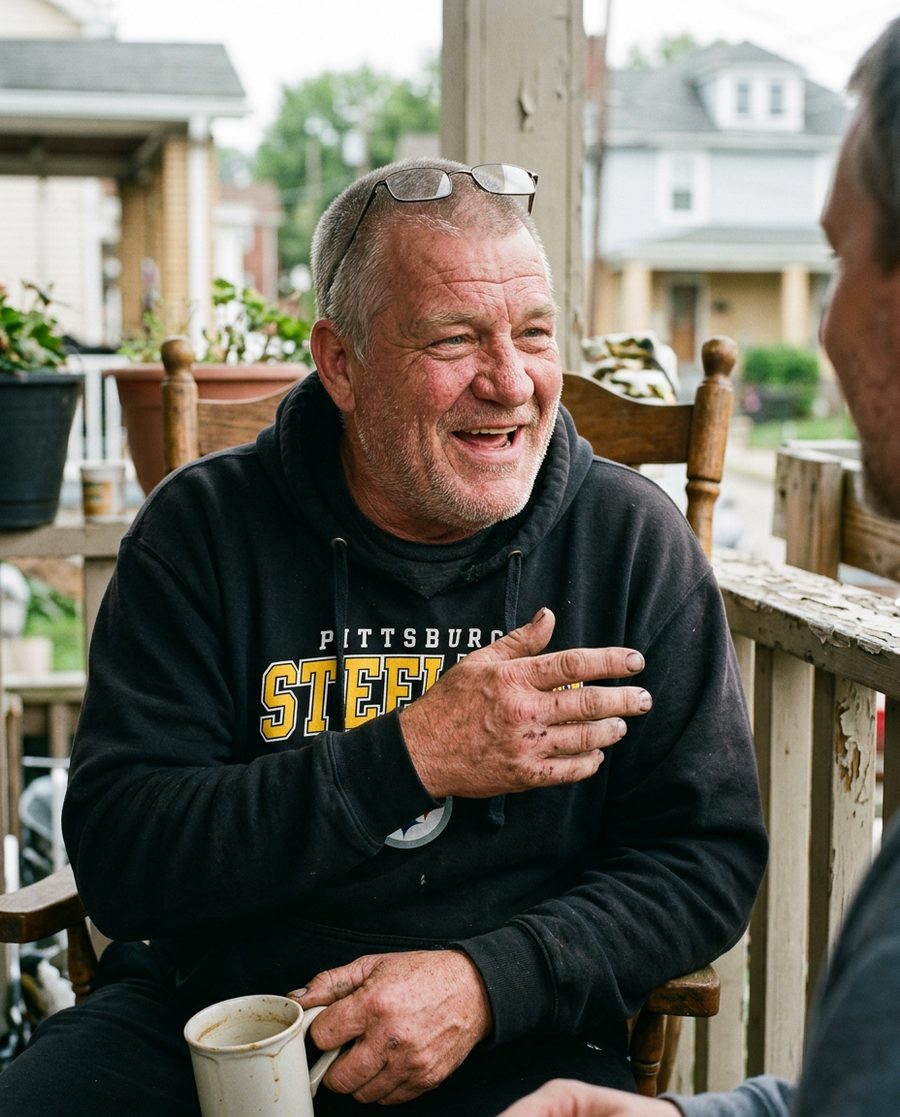
Raymy dad
Create a Preserve today.
You don't need everyone. You don't need the perfect words. Begin with one memory.
Free to create · $19.99 to publish · No subscription